The Geography Problem Nobody Talks About
Jan 28, 2026
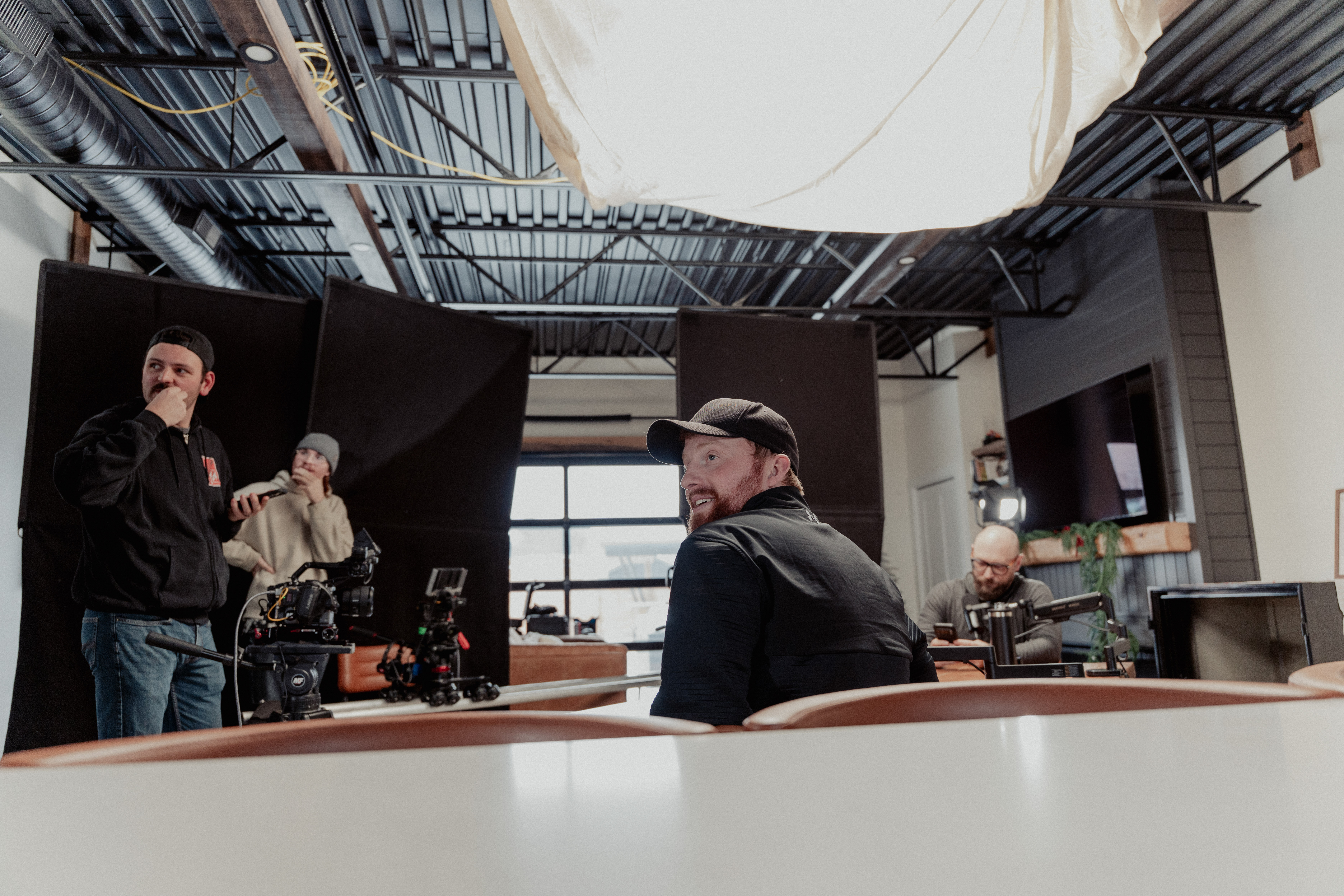
I had a conversation with Cam Barry that cracked something open.
He's a camera operator. Lives in Belleville with his wife and son, with another kid on the way. And he said something I can't stop thinking about: "This choice eliminated entire categories of work."
He wasn't complaining. He was stating a fact. Geography isn't just about where you live. It's about which versions of your career become impossible.
The Trade Nobody Warned Me About
Cam lives two hours from Toronto. Close enough to commute for day shoots. Far enough that multi-day projects mean hotel rooms and missed bedtimes.
Every creative freelancer outside a major market faces this trade.
You gain proximity to family.
But that sometimes means you lose proximity to opportunity.
What struck me was how clearly he's done the math. Three days in Toronto means three nights away from his son. He used to say yes to everything. Now the answer isn't automatic.
Freelance Flexibility Is a Lie
Here's what I learned: freelance flexibility is mostly a lie.
Cam thought having a kid would give him more control over his schedule. It didn't. The work still demands you show up when called, or someone else gets it. The flexibility only exists if you're willing to miss opportunities.
He has the same rigid availability requirements he always had. He just feels worse about them now because there's someone at home he's leaving behind. That tension isn't something you optimize away. It's something you learn to carry.
Decision Elimination Saved Me
Cam taught me something about decision elimination.
New parents drown in micro-decisions. What to feed him, what to dress him in, what to do when he won't sleep. Every choice fragments attention until you're too tired to think.
His solution: eliminate entire categories. Meal prep on Sundays. Diaper subscription. Five outfit rotation instead of a full closet. Remove the decision, remove the fatigue.
He applied this to career too. Built rules instead of evaluating every opportunity individually. More than two nights away needs to pay double. Local work gets a default yes. Travel during the week requires his wife's approval.
The rules make the decisions for him. That's not laziness. That's infrastructure.
Support Systems Aren't Optional
The biggest insight: support systems aren't optional.
Cam and his wife chose Belleville because her family is there. When he's on set for twelve hours, her parents are ten minutes away. When they both need sleep, her sister takes their son for an afternoon.
He watches friends in Toronto trying to do this alone. Paying childcare costs that exceed rent. Burning out with no backup. The nuclear family model doesn't work anymore.
That's why he's in Belleville. That's why he turns down Toronto work. Geography isn't just about career access. It's about survival infrastructure.
You need the village.
Time Doesn't Feel the Same
What shifted for me during this conversation: how parenthood changes time.
Cam said before his son, he thought in weeks and months.
Now he thinks in years…
What will he remember?
What patterns is he setting?
The work that felt critical six months ago feels optional now. He's not chasing the same outcomes. He's building something that lasts longer than a career.
That's the shift nobody tells you about. Parenthood doesn't just change your schedule. It changes your planning horizon entirely.
What I'm Building Now
Cam's still figuring it out. But he's clear on this: he's not optimizing for the same outcomes anymore.
Presence over productivity.
Building something in Belleville instead of chasing something in Toronto.
The geography problem isn't solved. But he's learning to work within it instead of against it. Show up where you are. Build with what you have. Stop pretending you can optimize your way out of trade-offs.