26/01/2026
The Cost of Being a Freelancer With a Family
Podcast Information
Episode:
Publish Date:
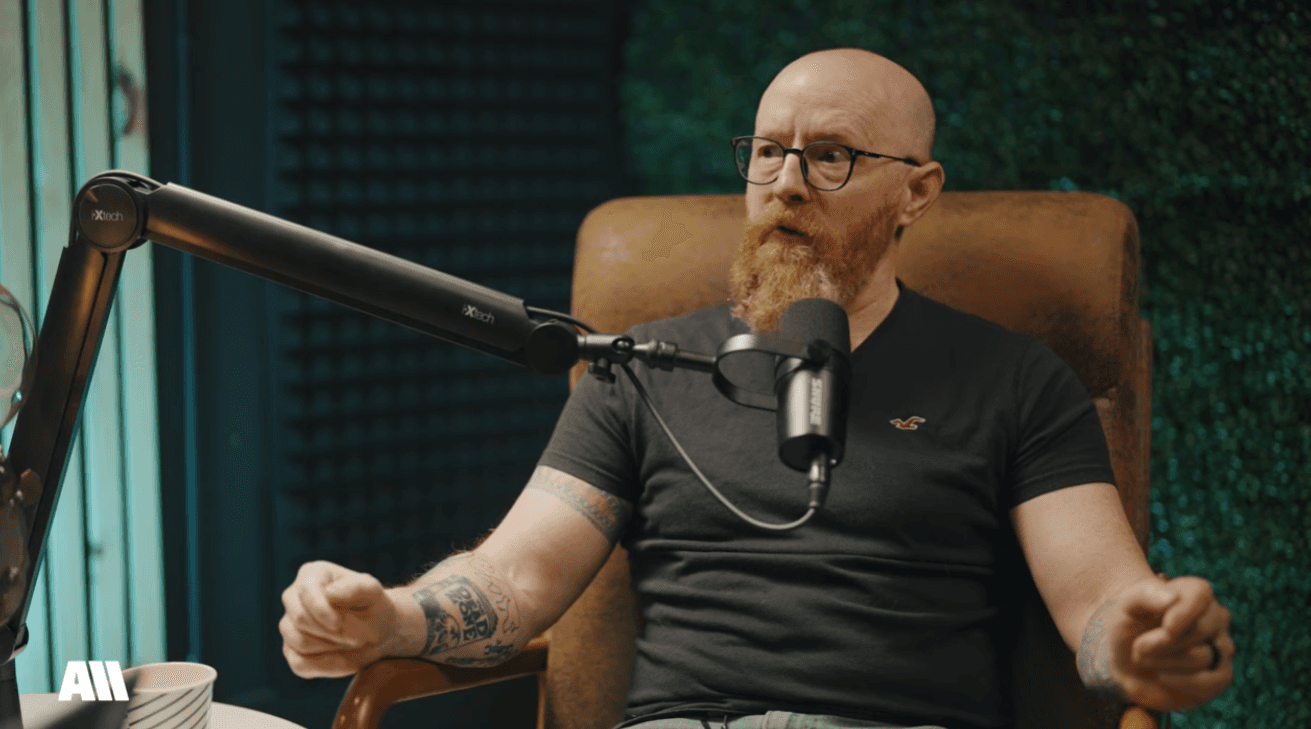
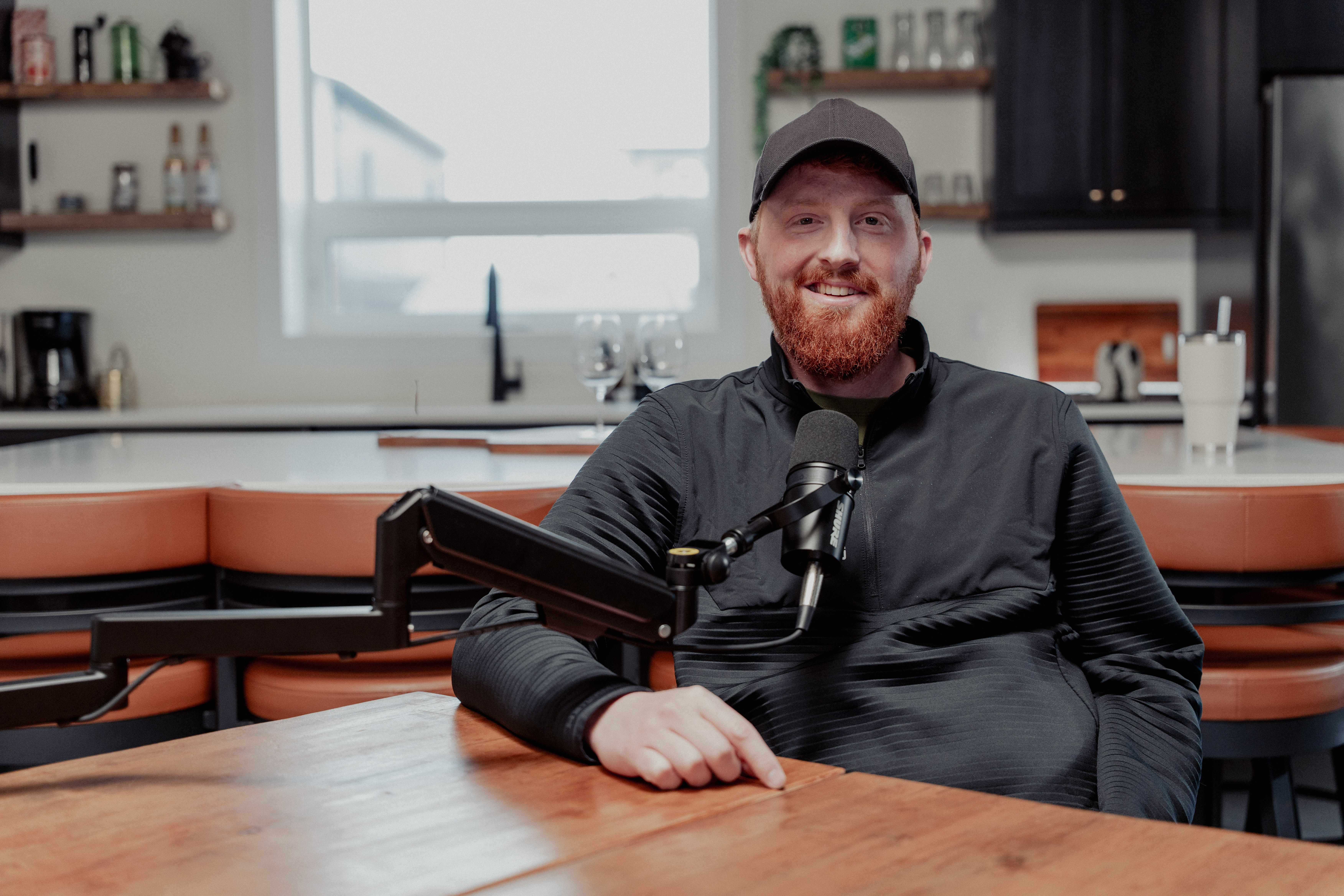
Being a freelance filmmaker is one thing. Being a freelance filmmaker with a baby at home (and another on the way) is a whole different level.Cam Barry is a freelance Camera Operator in Ontario, Canada—shooting lifestyle television, documentaries, and commercials. In this episode, we get real about what changed after becoming a dad: the pressure, the guilt of leaving for long days, and the quiet fear that shows up when you suddenly have “something to lose.”You’ll hear what it’s like balancing freelance unpredictability with family life, how he thinks about support (and asking for it), and how he’s preparing for baby #2—just 15 months behind the first.
Key Insights: Deep, Universally Applicable Takeaways
The Geography-Career Trade-off: Location decisions for creative professionals with families often involve choosing between proximity to work opportunities and proximity to support systems. Living near family in affordable areas can offset the costs of long commutes and extended work travel, creating a more sustainable model for freelance parents than living in expensive urban centers near work hubs.
The Freelance Parenthood Paradox: Freelance work offers flexibility in theory but demands rigidity in practice. When opportunities arise, they must be seized regardless of family circumstances, creating a cycle where professionals are either intensely present at home during gaps or completely absent during projects. This feast-or-famine dynamic fundamentally changes when children enter the equation, transforming what was once exciting variability into stress-inducing uncertainty.
The Decision Fatigue of Parenting: Modern parenting involves an overwhelming accumulation of daily decisions that compound with professional responsibilities. The most valuable interventions are those that eliminate entire categories of decisions—meal prep, subscription services, automated routines—rather than optimizing individual choices.
The Convenience Revolution: Services like food delivery have become essential infrastructure for working parents, not luxuries. The ability to eliminate meal planning and preparation during crisis moments or exhausting periods represents a fundamental shift in how families maintain functionality during demanding seasons of life.
Information Saturation in New Parenting: First-time parents face a unique form of analysis paralysis where abundant advice from multiple sources—coworkers, technology enthusiasts, family members, marketing—creates more confusion than clarity. The most successful approach involves selective filtering and recognizing that many "essential" products and strategies are optional.
The Support System Imperative: Accepting help is not a weakness but a strategic necessity. The analogy of a marathon runner taking water applies perfectly to parenting—nobody receives extra recognition for refusing assistance, but everyone suffers if they don't hydrate. Proximity to willing grandparents and extended family creates a resilience buffer that isolated families lack.
Time Perception Transformation: Becoming a parent fundamentally alters the experience of time, compressing months and years in ways that childless individuals cannot fully anticipate. This shift affects career planning, milestone awareness, and the urgency around home projects and life goals.
The Authenticity Threshold: Professionals who work in industries that require presence and authenticity (film, television, live performance) develop a heightened awareness of what's real versus manufactured. This creates a tension with AI-generated content and raises existential questions about the future value of human-created work.
Risk Calibration in Parenting: The balance between safety and growth involves allowing children to experience controlled failures—bumps, falls, minor injuries—that teach spatial awareness and consequences. Overprotection prevents essential learning, while the goal is creating environments where risks are manageable rather than eliminated.
The Career Safety Illusion: No profession is truly "safe" in an era of technological disruption and economic volatility. The more meaningful metric is whether work provides consistent engagement with personal values and interests, as dissatisfaction compounds over time regardless of job security.
Structural Patterns: How the Content is Organized
Conversational Narrative Framework: The discussion unfolds naturally through questions and responses, moving from light topics (on-set snacks, hunting) to progressively deeper subjects (parenting fears, career regrets, existential concerns). This creates psychological safety before addressing vulnerable topics.
Personal Anecdote as Universal Principle: Specific stories—living with extended family, meal prepping breakfast burritos, anxiety during flights—serve as entry points to broader insights about freelance parenting, decision fatigue, and risk perception. The particular becomes the universal.
Contrast and Comparison: The conversation repeatedly uses contrasting frameworks: rural versus urban living, freelance versus stable employment, pre-children versus post-children lifestyle, authenticity versus AI-generated content. These comparisons help clarify values and priorities.
Future-Backward Thinking: Many reflections involve imagining alternative paths ("if I could go back, I'd be an electrician") or projecting forward ("what career advice will I give my kids?"). This temporal flexibility reveals how parenthood shifts planning horizons.
Vulnerability Through Admission: The speaker builds credibility by acknowledging fears, mistakes, and uncertainties—imposter syndrome, guilt about time away, concerns about AI, admitting to using convenience services. This honesty makes the insights more accessible and actionable.
Hidden Implications: Deeper Meaning and Future Impact
The Erosion of Geographic Arbitrage: As more creative work can theoretically be done remotely, the traditional advantage of living in smaller, cheaper communities while earning big-city wages becomes complicated. However, for industries that absolutely require physical presence (film production, live television), this geographic arbitrage remains viable and potentially becomes more valuable as others leave these professions.
The Male Parenting Identity Shift: The speaker's comment about not experiencing imposter syndrome as a father—unlike in professional work—signals a broader cultural evolution where men are finding primary identity and confidence through active parenting rather than career achievement alone. This represents a significant departure from traditional masculinity models.
The AI Authenticity Crisis: The concern about AI in creative industries goes beyond job displacement to a deeper question: What happens to human culture when people stop caring whether what they consume was created by humans? This suggests a potential future where entertainment bifurcates into "authentic/human-made" premium content and "synthetic/AI-generated" commodity content.
The Collapse of the Nuclear Family Model: The repeated emphasis on grandparents, extended family support, and choosing locations based on proximity to relatives suggests that the mid-20th-century nuclear family model (young parents raising children independently, far from extended family) is being recognized as unsustainable for many people. We may be witnessing a return to multigenerational proximity as an economic and psychological necessity.
The Freelance Vulnerability Window: Freelance work during childbearing years creates a unique financial and emotional pressure point. Unlike salaried positions with parental leave, freelancers must navigate simultaneous income uncertainty and maximum family responsibility. This gap may drive policy discussions about universal basic income or portable benefits.
The Death of Hustle Culture for Parents: The acknowledgment that pre-children career optimism ("you can always sleep later," "travel while you're young") transforms into post-children pragmatism ("I need consistent income now") suggests that hustle culture and the gig economy primarily work for young, childless individuals. This has implications for long-term workforce participation rates.
The Regional Film Industry Opportunity: The expressed desire to see local film industries grow outside major hubs (Toronto, Vancouver, LA, NYC) points to a potential future where content creation becomes more distributed. This could be accelerated by tax incentives, lower production costs, and professionals unwilling to relocate away from family support systems.
The Taste Development Gap: The observation that children raised with quality home cooking struggle to enjoy restaurant food suggests a broader pattern: when people develop refined standards in any domain (food, media, craftsmanship), they become harder to satisfy with mass-market alternatives. This has implications for premium versus commodity markets across industries.
The Professional Passion Trap: The tension between loving one's work and resenting its lifestyle demands reveals a fundamental challenge: passion-driven careers often require sacrifices that only become visible after major life transitions. This suggests that career counseling should address lifestyle compatibility as seriously as skill alignment.