10/10/2024
Finding Meaning in the Messy Parts of Your Career
Podcast Information
Episode:
Publish Date:
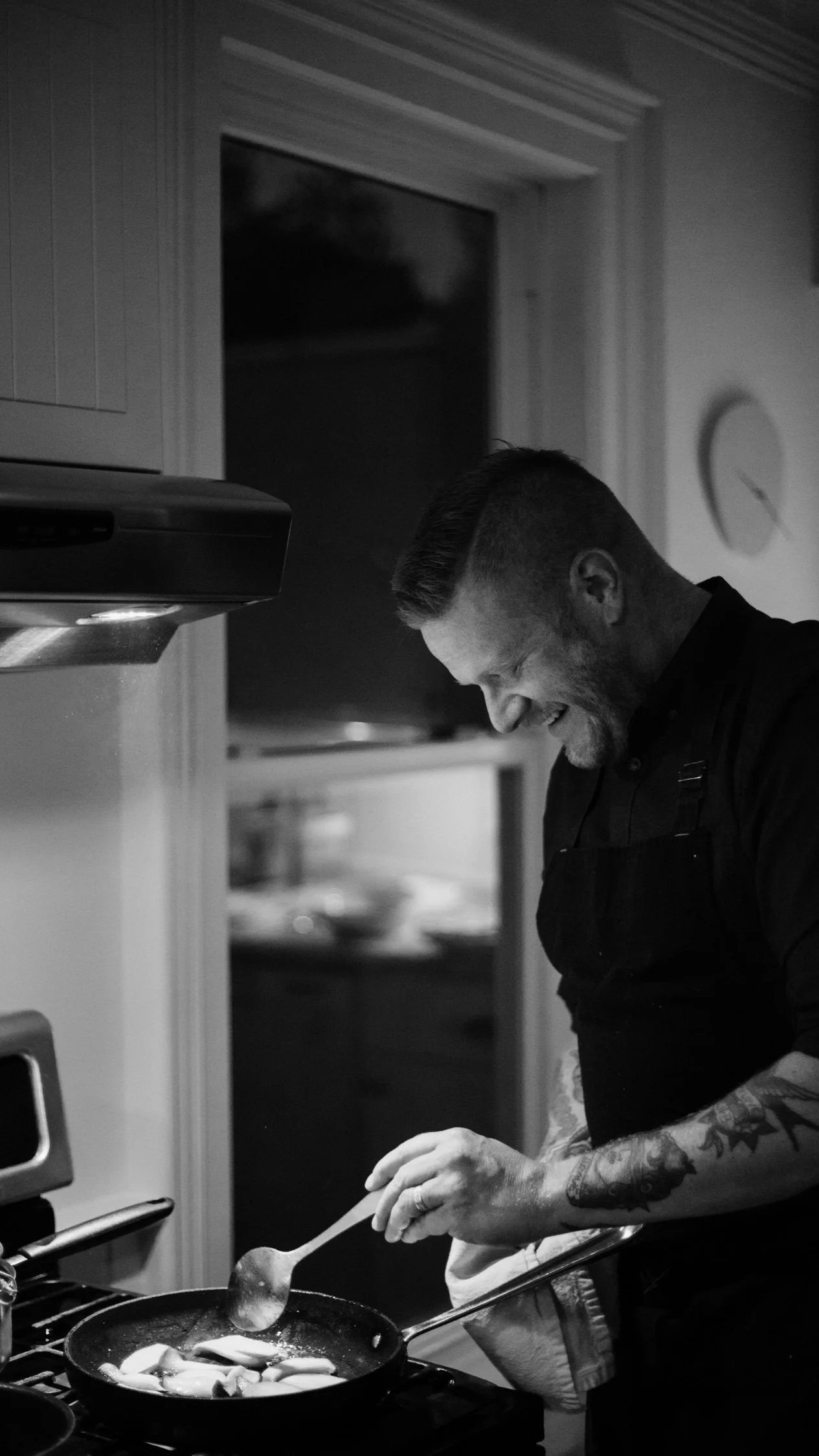
This conversation features Matt DeMille, a culinary entrepreneur who transformed his career from working 17-hour days in professional kitchens to building a flexible, sustainable food business. The discussion covers his business evolution from in-home cooking lessons to large-scale catering, the critical decision to leave the restaurant industry, his COVID-19 business adaptation, advocacy for local food sourcing, and the role of content creation in modern food entrepreneurship. The conversation provides insights into small-town entrepreneurship, work-life balance, and building community through food.
Key Insights
Business Pivoting and Career Transitions: Successful pivoting requires identifying market gaps rather than following oversaturated trends. When launching new ventures, analyze what the local market lacks rather than competing in crowded spaces. The transition from traditional career paths doesn't mean failure—it means recognizing when a structure no longer serves your values and having the courage to redesign your professional life around what matters most.
Establishing Boundaries as a Business Owner: Boundaries aren't negative constraints—they're essential frameworks for sustainable business growth. Setting clear limits on working hours, client expectations, and personal time from the beginning prevents burnout and maintains quality of life. The ability to say no or charge appropriately for boundary exceptions becomes easier once you've established your core values and business structure.
The True Cost of Career Success: Working 17-hour days in pursuit of professional achievement can lead to becoming someone you don't recognize. When your work stress triggers anger toward loved ones rather than addressing workplace issues, it's a clear signal that something fundamental needs to change. No profession, regardless of prestige or passion, justifies sacrificing your mental health and family relationships.
Democratizing Culinary Skills: Complex cooking techniques can be broken down and taught to anyone, regardless of experience level. The goal isn't to create professional chefs but to give people "aha moments" where they realize restaurant-quality food is achievable at home. Teaching empowerment through skill-building creates more value than gatekeeping knowledge.
Market Relatability Over Culinary Ego: In smaller markets, menu success depends on broad appeal rather than sophisticated niche offerings. A pulled pork sandwich will outsell lamb shoulder ten-to-one because it's recognizable and approachable. This doesn't mean compromising quality—it means elevating familiar dishes with superior ingredients and technique while maintaining accessibility.
COVID-19 Business Adaptation: Crisis demands rapid pivoting without overthinking. During COVID-19, delivering family-sized comfort meals filled an immediate market need—no restaurants were providing affordable, high-quality home delivery. The key was simplicity: recognizable dishes, fixed pricing, contactless delivery, and consistent weekly offerings that became part of customers' routines.
Local Food Sourcing Philosophy: Grocery store produce has been optimized for shelf life and appearance rather than flavor and nutrition. Local, seasonal ingredients from nearby farms deliver dramatically superior taste and nutrient density. Supporting local food systems isn't just ethical—it's practical, as the quality difference is immediately noticeable and the economic impact strengthens community infrastructure.
Ingredient Minimalism for Maximum Impact: Limiting dishes to three high-quality ingredients forces focus on sourcing excellence rather than complexity. When you can only use three components, each must be the best available—premium olive oil, artisanal cheese, quality meat. This constraint actually elevates the final product because nothing mediocre can hide behind elaborate preparation.
Content Creation as Business Development: Social media content serves multiple business functions: advertising, education, community building, and brand positioning. Consistent content creation keeps you top-of-mind, demonstrates expertise, and provides value even to non-customers. The goal isn't viral fame but sustained visibility and trust-building within your target market.
Small-Town Entrepreneurship Advantages: Smaller markets offer blank canvas opportunities where you might be the first or only person offering a specific service. The perceived limitation of small-town business actually creates pioneer advantages—less competition, stronger community connections, and the ability to become the definitive expert in your niche faster than in saturated urban markets.
Professional Branding Investment: Proper branding isn't a luxury—it's foundational infrastructure. Working with skilled designers who understand mood boards, brand strategy, and comprehensive visual systems creates cohesive professional identity that builds trust and differentiates you from competitors using template solutions. Quality branding signals quality service before customers ever interact with your actual offerings.
The Pricing Equilibrium Challenge: Early-career professionals typically undervalue their services while building skills and portfolios. Over time, as expertise grows, pricing should gradually rise to match output quality. The goal is reaching equilibrium where your rates reflect your value, you're sustainably busy, and the right clients appreciate and pay for your expertise without hesitation.
Modern Advertising Evolution: Traditional advertising (billboards, TV, print) has been disrupted by influencer activations and experiential marketing. A single event attended by ten influencers with combined reach of two million followers delivers exponentially more exposure than static billboards. Marketers must think in terms of shareable experiences rather than one-way messages.
Structural Patterns
The conversation follows an organic interview structure that moves fluidly between related topics while maintaining clear thematic threads. The host establishes rapport through shared experiences (running together, previous cooking lessons) before diving into professional topics, creating conversational intimacy that encourages candid responses.
Key structural elements include personal storytelling (the Kingston lunch incident where work stress affected family time), concrete examples (COVID meal service specifics, farm sourcing details), philosophical frameworks (the three-ingredient rule, market gap analysis), and practical advice (boundary setting, pricing strategies). The discussion balances high-level business philosophy with granular operational details.
The host effectively uses callback references and tangential explorations while periodically redirecting to core themes, creating a natural conversational flow that covers substantial ground without feeling scattered. Questions build on previous answers, deepening rather than pivoting topics.
Hidden Implications
The Restaurant Industry's Unsustainability Crisis: The traditional chef career path—culinary school, sous chef, head chef, restaurant owner—is fundamentally broken for many professionals. The industry's normalized expectation of 17-hour days, verbal abuse, and sacrificed personal relationships creates a talent retention crisis. As more chefs recognize these patterns and pivot to alternative business models, the industry will face increasing pressure to restructure or lose its best talent to entrepreneurial ventures.
Remote Work's Impact on Small-Town Viability: The increasing acceptance of remote work and digital business models is making small towns like Belleville increasingly attractive for entrepreneurs who previously needed urban density. This shift could revitalize smaller communities while bringing sophisticated business practices and cultural expectations to areas that historically lacked them, potentially accelerating local economic development.
The Democratization of Expertise: Social media and content creation are dismantling traditional knowledge gatekeeping across industries. Chefs, designers, and other professionals who once protected trade secrets now build audiences and businesses by freely sharing expertise. This shift rewards those who teach and inspire over those who hoard knowledge, fundamentally changing how professional credibility and client relationships develop.
Local Food Systems as Economic Infrastructure: Supporting local farms isn't just about food quality—it's about building resilient regional economies that keep money circulating within communities rather than extracting it to distant corporations. As supply chain vulnerabilities become more apparent, regions with strong local food infrastructure will have significant economic and food security advantages.
The Personal Brand as Business Asset: In service-based businesses, the entrepreneur's personal brand often becomes inseparable from the company brand. Content creation, authentic storytelling, and visible values alignment build trust and loyalty that transcends transactional relationships. Businesses that understand this dynamic invest in personal brand development as core business strategy.
Mental Health and Entrepreneurship: The willingness to seek therapy and professional help when recognizing destructive patterns represents a crucial entrepreneurial skill. The ability to acknowledge "I'm not okay" and take corrective action prevents business failure and personal collapse. Normalizing mental health support for entrepreneurs creates more sustainable businesses and healthier communities.
Key Takeaways for Repurposing
For Aspiring Entrepreneurs: Before pivoting, take time to inventory your skills, values, and market needs. Use Matt's "big piece of grid paper" approach—write down everything you love doing, everything you're good at, and look for intersection points that address unmet market needs. The pivot doesn't need to be perfect immediately; it can evolve organically as you test and refine.
For Food Industry Professionals: Recognize that culinary skills translate to multiple business models beyond restaurants. In-home cooking lessons, catering, consulting, content creation, and brand partnerships offer paths to profitability without sacrificing quality of life. The key is identifying which model aligns with your lifestyle priorities while serving market demand.
For Content Creators: Consistency and value delivery matter more than viral moments. Build a catalog of genuinely useful content that solves problems and teaches skills. Even videos that "tank" with 37 likes serve people who needed that specific information—success isn't always measured in metrics.
For Community Builders: Strong local economies require conscious consumer decisions. Choosing local farms, craftspeople, and service providers over convenience and price keeps wealth circulating in communities and builds relationships that strengthen social fabric. Every purchase is a vote for the kind of economy and community you want to live in.
Thought-Provoking Questions:
What parts of your current professional identity are authentic expressions of your values, and what parts are simply what you've always done or what others expect? If you could redesign your work life around a single non-negotiable priority (family time, creativity, income, impact), what would change?
How might your industry or profession look different if more practitioners prioritized teaching and knowledge-sharing over competitive gatekeeping? What becomes possible when expertise is freely distributed rather than hoarded?