09/09/2024
How to Build Systems When You’re Drowning in Work

Podcast Information
Episode:
Publish Date:
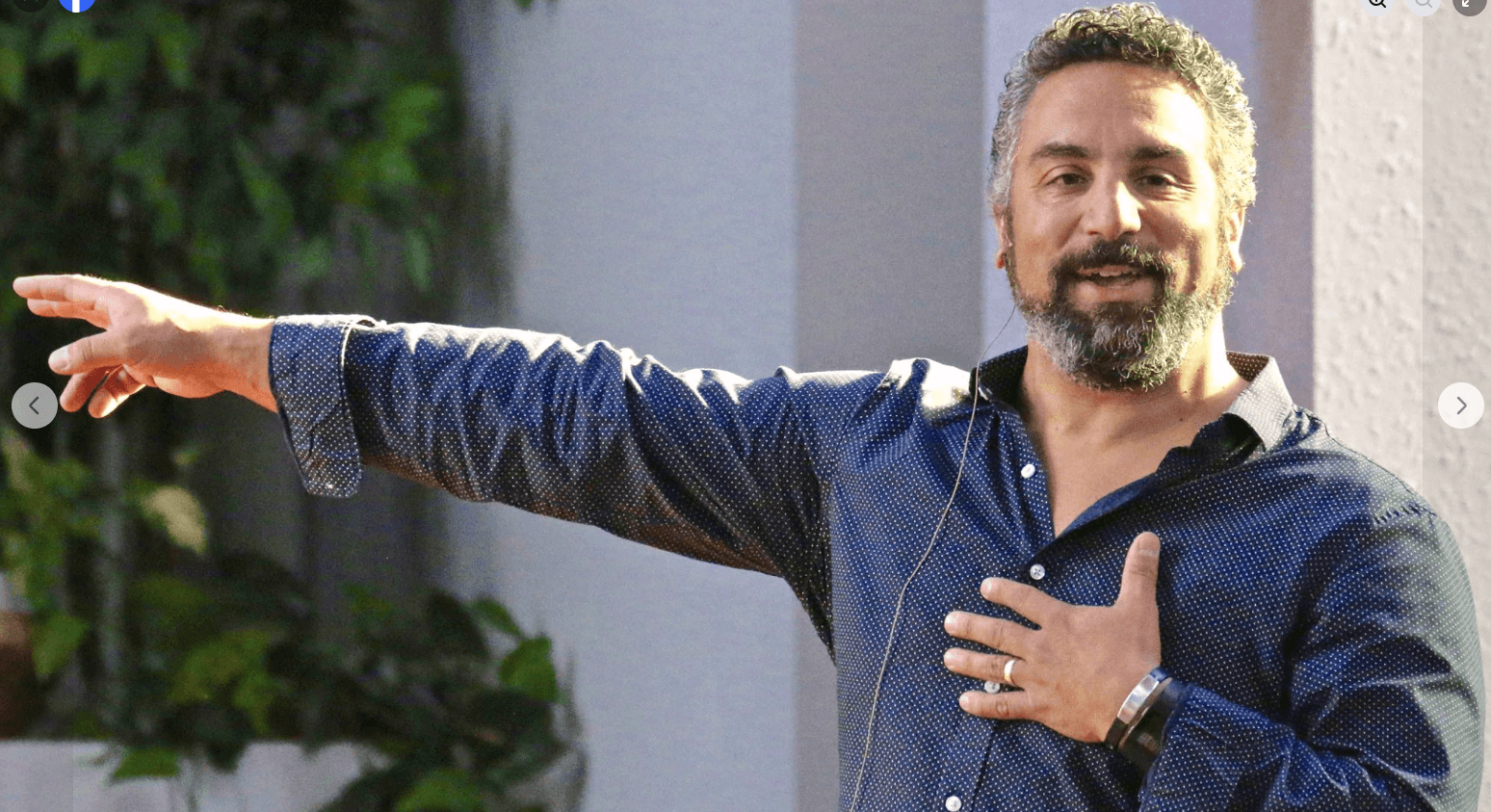
This conversation explores the journey of building One Look Productions, a real estate photography and videography company in Prince Edward County, Ontario. Ryan Schneider, co-founder alongside business partner Daryl, discusses the evolution from a startup to a team-based operation over six years. The discussion covers critical business themes including partnership dynamics, scaling creative services, dealing with failure, the impact of AI on creative industries, and the importance of authentic storytelling in marketing. The conversation provides practical insights into running a creative business while maintaining quality, culture, and growth.
Key Insights
On Business Partnerships: Successful partnerships require complementary skill sets and established trust before entering business together. The most effective partnerships pair left-brain business acumen (commerce, numbers, strategy) with right-brain creative abilities (storytelling, relationships, production). Trust with money is fundamental - if you can't trust someone financially, you shouldn't enter business with them. Clear communication and the ability to set boundaries between work and personal life become critical when partners are also friends.
On Scaling Creative Businesses: Growth requires building robust systems before hiring. The progression follows a pattern: secure enough work to justify expansion, create minimum viable products, establish clear deliverables and turnaround times, then develop training programs to maintain quality as you scale. Systems must evolve continuously as teams grow. The goal by year 10 should be removing founders from day-to-day operations to focus on strategic projects and expansion.
On Failure as Foundation: Success is impossible without failure. The first year of any creative business involves uncomfortable situations and unhappy clients that force growth. Rather than hiding mistakes, create systems to acknowledge and learn from them publicly within your team. The key principle is "feel bad enough not to repeat the mistake, but not so bad that it paralyzes you." Each failure provides the foundation for eventual success.
On Confidence Through Experience: Confidence to direct clients and defend creative decisions only comes through accumulated failures and successes. In creative industries, everyone considers themselves an expert, so you must develop the ability to lead clients rather than simply execute their vision. This requires understanding not just what clients ask for, but what they actually need. True expertise means knowing why you made specific creative choices and being able to articulate that reasoning.
On Evaluating Criticism: Not all criticism carries equal weight. Before accepting feedback, evaluate the source by asking: "Do I want what this person has in their life?" If the answer is no, their criticism holds minimal value. Those actually doing the work at a higher level offer advice; those not doing it at all offer criticism. This filter prevents creative paralysis from keyboard warriors while remaining open to legitimate mentorship.
On AI in Creative Industries: AI functions as a creative calculator - it handles repetitive "button monkey work" while humans provide nuance and storytelling. The technology will democratize content creation, potentially reducing budgets while increasing quality for smaller productions. However, AI cannot replace authenticity, which is what audiences crave when establishing trust. The future lies in hybrid workflows where AI handles technical execution while humans focus on genuine connection and narrative.
On Social Media as Modern Marketing: Social media functions as your new landing page, not your advertising platform. People don't read websites; they research individuals through social channels to determine personality fit and trustworthiness. The goal isn't to sell products directly but to establish the "digital handshake" by showing your face, sharing your process, and revealing your values. This prevents wasted time on both sides when personalities don't mesh, which is more costly than losing potential business.
On Authentic Content Creation: Every piece of content tells a story, even a single photograph. Without understanding the narrative arc - beginning, middle, journey, end - you create disconnected nonsense that fails to resonate. In marketing, you're not creating art for art's sake; you're creating "propaganda" in its neutral definition: art with a message and purpose. The most effective marketing communicates who you are as a person, not just what you sell.
On Building Creative Communities: Creative industries suffer from scarcity mindset where professionals hoard knowledge rather than collaborate. However, there's more than enough work for everyone - success depends on personality fit between creator and client. Sharing pricing, processes, and methodologies openly builds stronger communities, attracts better talent, and raises industry standards. Young creatives need guidance on career paths and industry structure, not just technical training.
On Maintaining Creative Energy: Commercial creative work becomes soul-sucking when creativity is forced on demand. To regenerate motivation, create non-commercial work purely for yourself - shoot what interests you without worrying about client approval or monetization. This personal creative practice rebuilds the energy required for client work. Taking back creative control periodically prevents burnout in service-based creative businesses.
Structural Patterns
The conversation follows a natural interview structure that builds from personal background to business strategy to industry philosophy. The host establishes rapport through shared experiences, then progressively digs deeper into business mechanics. Key persuasion techniques include: vulnerability in sharing failures, specific examples rather than generalizations, and metaphors that make complex concepts accessible (AI as calculator, social media as landing page, marketing as propaganda).
The discussion employs a problem-solution-lesson framework repeatedly: presenting challenges in creative business, explaining how they were overcome, then extracting universal principles. This creates natural teaching moments without feeling preachy. Personal anecdotes about running marathons, dealing with burnout, and partnership challenges add relatability while reinforcing larger business lessons.
Storytelling devices include callback references to earlier points, building on themes throughout rather than treating topics as isolated. The conversation organically weaves between tactical advice (how to hire, how to price) and philosophical perspective (why failure matters, why community helps), preventing the discussion from becoming either too abstract or too narrowly focused.
Hidden Implications
The emphasis on personality-based marketing signals a broader shift away from brand-focused advertising toward individual-centered content. As AI commoditizes technical execution, human connection becomes the primary differentiator in service industries. This suggests businesses that invest in founder/team visibility and authentic communication will increasingly outperform those focused purely on product quality.
The discussion about AI democratizing creative production has profound implications for industry structure. If small teams can achieve results previously requiring large budgets, we'll see disaggregation of creative agencies alongside democratization of high-quality content production. This may increase competition while simultaneously expanding market opportunities as more businesses can afford professional-grade content.
The challenge of finding committed talent in creative fields reflects a generational shift in career expectations. Young creatives want experience variety rather than specialization, which conflicts with businesses needing consistent output. This tension suggests future business models may need to embrace higher turnover while investing in rapid onboarding systems, or alternatively, create more varied role structures that satisfy the desire for diverse experience within single organizations.
The repeated emphasis on systems, training, and SOPs (Standard Operating Procedures) reveals that successful creative businesses must eventually behave more like traditional businesses than artistic collectives. The romantic notion of the freewheeling creative shop doesn't scale. Those who succeed long-term build infrastructure that allows creativity to flourish within structure rather than despite it.
The comparison between creative industries and broadcast television structures suggests an ongoing convergence of commercial and entertainment content. As production quality becomes more accessible and social media dominates distribution, the distinction between "TV content" and "commercial content" dissolves. This creates opportunities for creatives trained in commercial work to produce entertainment and vice versa.