04/04/2023
Building a Creative Career Outside the Big Cities
Podcast Information
Episode:
Publish Date:
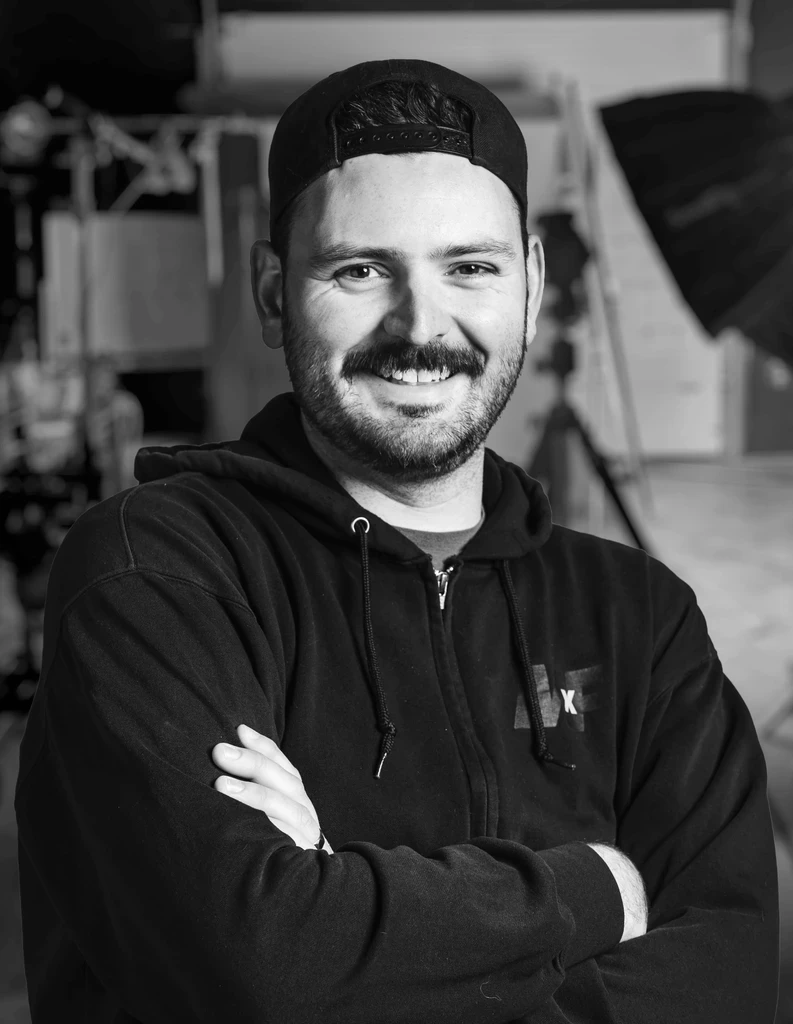
This conversation explores the challenging transition from employee to freelance entrepreneur in the film and video production industry. Brady Rogers, a 26-year-old director of photography, discusses his journey from working as a producer at a traditional company to launching Mind Fusion Visuals, his own production company. The discussion covers the emotional, financial, and strategic decisions involved in making this career shift, alongside practical insights about building a crew, pricing services, and maintaining creative quality while running a business.
Key Insights: Deep, Universally Applicable Takeaways
Separate Passion from Profit: Maintaining creative outlets that aren't monetized prevents burnout and preserves the joy in your craft. Brady keeps photography as a personal hobby while focusing video work on client projects, ensuring he has something purely for himself that doesn't carry business pressure.
The Transition Rarely Happens Under Perfect Conditions: Most successful freelancers don't wait until they have 6-12 months of savings. Instead, they calculate their minimum financial needs, secure one or two initial clients, and make the leap with calculated risk rather than perfect preparation.
One High-Value Project Can Replace Multiple Low-Value Ones: Brady earned more from a single commercial gig than from multiple days on a major television production. This realization shifted his focus toward commercial work, demonstrating that strategic project selection matters more than volume of work.
Story Always Trumps Style: Technical skills and personal aesthetic preferences must serve the story, not the other way around. Cinematographers who can't adapt their style to fit different narratives limit their professional growth and market appeal.
Pricing Must Reflect Team Value, Not Just Personal Day Rates: When scaling from solo work to team-based production, pricing structures must account for the entire crew's expertise and time. Simply doubling rates when adding one person undervalues the collaborative effort and prevents sustainable business growth.
Invest in People Over Equipment: Building a reliable, skilled crew creates more value than owning the latest cameras. Quality team members enable better work, prevent costly mistakes, and allow the business to scale in ways that equipment alone cannot achieve.
Working for Free Has Diminishing Returns: While initial unpaid work builds experience and portfolio pieces, continuing to work for free (especially for the same clients) traps you in an unsustainable position. The rule: never work for free more than twice for the same client unless you're genuinely learning something new each time.
Safety and Professionalism Distinguish Hobbyists from Professionals: Small production teams often cut corners on safety protocols. Bringing in experienced crew members who prioritize proper rigging and safety not only protects people but signals professional credibility to larger clients.
Specialization Enables Better Work Than Multitasking: When crew members can focus on specific roles rather than juggling multiple responsibilities, quality improves dramatically. A director who isn't also managing lights and audio can focus on performance and storytelling.
Building Space Into Your Schedule Enables Creative Growth: Overloading with work prevents the experimentation and creative development needed to improve. Strategic downtime allows for better ideation, execution, and ultimately produces portfolio work that attracts higher-value clients.
Structural Patterns: How the Content is Organized
Chronological Narrative Framework: The conversation follows Brady's journey from childhood introduction to cameras, through formal education, to employment, and finally to entrepreneurship. This timeline makes the progression feel natural and allows listeners to see themselves at different stages of the journey.
Problem-Solution-Result Pattern: Multiple segments follow this structure: identifying a challenge (like not being able to hit send on a resignation email), discussing the solution (calling a mentor for encouragement), and revealing the outcome (successfully making the transition).
Practical Application Through Specifics: Abstract concepts are immediately grounded in concrete examples. When discussing crew building, they name specific roles (gaffer, grip, director) and explain exact responsibilities, making the information actionable rather than theoretical.
Mentorship Dialogue Structure: Phil positions himself as interviewer but also as mentor figure, sharing advice he gave Brady and reflecting on parallel experiences. This creates a teaching dynamic that feels authentic rather than preachy.
Technical Simplification: Complex industry concepts are broken down through analogy and explanation. For instance, they explain the difference between gaffers and grips in simple terms, making specialized knowledge accessible to outsiders.
Hidden Implications: Deeper Meaning and Future Impact
The Democratization Paradox: While technology has made filmmaking more accessible (anyone can rent a Red camera for $350), this has simultaneously increased competition and made it harder to differentiate based on technical skills alone. Success now depends more on storytelling ability, business acumen, and relationship building than equipment ownership.
The Portfolio Company Model is Replacing Traditional Employment: The conversation reveals a shift from traditional employee-employer relationships to fluid networks of specialized freelancers who assemble for projects. This mirrors broader economic trends toward gig work, but with higher skill requirements and collaborative structures.
Regional Markets Have Different Sustainability Thresholds: Operating outside major production hubs (Toronto, Montreal, LA) requires different business models. Brady and Phil have identified a market gap in their mid-sized area where clients need professional production but don't have access to big-city agencies.
The Client Education Problem: Many businesses want video content but lack understanding of production processes, target audiences, and distribution strategy. This creates opportunities for production companies that can also provide creative direction and marketing strategy, effectively becoming hybrid agency-production shops.
Burnout is Built Into the Traditional Model: The expectation that one person handles multiple roles (shooting, directing, editing, producing) creates unsustainable work conditions. The industry is gradually recognizing this, but small companies that properly specialize their teams have competitive advantages.
Mentorship Networks Are Essential Infrastructure: Brady's success came partly from having Phil as a mentor willing to share business knowledge openly. The traditional secrecy around rates, processes, and challenges keeps emerging professionals struggling unnecessarily. More transparent knowledge-sharing could elevate entire regional markets.
The Resolution Race Ended, But the Format Wars Continue: While camera resolution has plateaued, the conversation about filters, grain, and "de-perfecting" digital images reveals ongoing tension between technical capability and aesthetic desire. This suggests future innovations will focus on creative control rather than mere technical specifications.
Community Studios May Reshape Local Creative Economies: AMP Studios' model—where the space belongs to the community rather than just the founders—suggests a cooperative approach that could make production resources more accessible while building sustainable creative ecosystems in smaller markets.
Key Actionable Takeaways
For Aspiring Freelancers: Calculate your absolute minimum monthly expenses, secure one anchor client, and make the transition when you have 2-3 months of runway rather than waiting for perfect conditions. The emotional relief of alignment between work and values often unlocks unexpected opportunities.
For Building Teams: Start with complementary skills rather than trying to hire people who do exactly what you do. Identify your weaknesses (for Brady, it was directing and client relations; for Phil, it was cinematography) and partner with people who excel in those areas.
For Pricing Services: When you add team members, your rates must reflect their expertise and time, not just added overhead. Calculate what each role is worth in your market, ensure crew members are compensated fairly, and price projects to maintain sustainable profit margins.
For Portfolio Development: Create spec work that showcases your abilities without client constraints. These pieces become your best marketing tools because they demonstrate pure creative vision rather than compromised commercial work.
For Maintaining Creative Energy: Protect specific creative outlets as non-monetized hobbies. This prevents the exhaustion that comes from turning every creative impulse into a business opportunity.
Questions for Deeper Consideration: How can production professionals balance the need to specialize with the reality that small markets often require generalists? What systems or structures would make the transition from employee to freelancer less financially risky while maintaining quality standards? How might cooperative or community-owned production resources change the competitive dynamics of local creative markets?